

.jpg)
There are very few pains in human life as acute as the loss of a love you believed in. Whether it is the sudden end of a relationship that felt like home, or the slow unravelling of a marriage that once held everything — the desire to reverse that loss, to find some way back to what was, is one of the most powerful and understandable impulses a person can feel.
It is from exactly this place that most people ask the question: can Vashikaran help me get my ex back, or save my marriage?
The answer that genuine Vedic astrology gives to this question is honest, nuanced, and — we believe — ultimately more helpful than the confident “yes, guaranteed” that so many online practitioners offer. This article gives you that answer in full: what the Vedic tradition actually says about reconciliation and marital repair, what astrological factors genuinely affect these outcomes, and what specific Vedic practices can meaningfully support your situation — without a single unreliable claim.
The Vedic Perspective on Separation and Relationship Difficulty
Before addressing what Vashikaran can or cannot do in the context of a broken relationship, it is worth understanding how Vedic astrology frames the experience of separation and relationship difficulty in the first place.
In Jyotish — Vedic astrology — no life event occurs in isolation from the planetary framework of the birth chart. Relationship challenges, separations, and marital difficulties are understood as expressions of specific planetary conditions: the placement and strength of Venus (Shukra), the condition of the 7th house (committed partnership), the current Dasha and Bhukti periods, and the transits of major planets like Saturn (Shani) and Rahu through sensitive points in the chart.

This framing is both practically useful and philosophically important. It means that relationship difficulties are not random, not purely the result of personal failure, and not beyond the scope of understanding. They arise from specific, identifiable astrological conditions — conditions that can be analysed, understood, and addressed through appropriate Vedic remedies.
It also means, crucially, that the astrological picture is always changing. Planetary periods end and new ones begin. Transits move. The Saturn transit that has been suppressing your 7th house for two and a half years eventually passes. The Venus Dasha that brings warmth and romantic opening arrives in its time. Understanding where you are in your planetary cycle is, in the Vedic view, the most important first step in navigating any relationship challenge — because timing is everything.
What Vedic Astrology Can Genuinely Offer in This Situation
Let us be specific about what a qualified Jyotishi can actually provide when you come to them with a question about getting an ex back or repairing a struggling marriage. This is not a small thing — it is genuinely valuable guidance.
1. An Honest Assessment of the Current Planetary Picture
A qualified Vedic astrologer will analyse your birth chart — and if available, the birth chart of your partner or ex — and give you an honest assessment of the current astrological climate for your relationship. This includes:
- The current Dasha and Bhukti periods and their implications for love and partnership
- Any major transits affecting your 5th house (romance) or 7th house (marriage)
- The strength and condition of Venus in your chart
- Whether any significant planetary shifts are on the horizon that could naturally support reconciliation or healing
This timing information alone — knowing whether you are in a planetary period that supports relationship renewal or one that calls for patience and inner work — is among the most practically valuable things an astrologer can offer.
2. Identification of the Root Astrological Cause
Different astrological conditions create different kinds of relationship difficulties, and different remedies are appropriate for each. A skilled Jyotishi will identify the specific planetary factor most relevant to your situation:
A weakened Venus suggests that the capacity for emotional connection, warmth, and physical attraction needs to be cultivated and strengthened through Venus-specific Upayas.
Saturn’s influence on the 7th house or Venus often creates a period of relationship testing — delays, coldness, or separation — that is ultimately designed to clarify whether the relationship has the depth and foundation to be genuinely lasting. Saturn’s transits through sensitive relationship points are temporary, and understanding their duration and purpose can be profoundly reassuring.
Rahu or Ketu involvement in the 7th house can create confusing, destabilising patterns in relationships — feelings of uncertainty, obsession, or the sense that something karmic is at play. Identifying this helps both understand the dynamic and work with it more consciously.
Mars affliction (Mangal Dosha) can create recurring conflict and separation patterns in relationships. Understanding whether Mangal Dosha is a factor, and what its specific remedies are, can meaningfully change the trajectory of a relationship.
3. Personalised Vedic Remedies
Based on the birth chart analysis, a qualified Jyotishi will prescribe specific Vedic remedies — mantras, Upayas, Vrata, Daan — tailored to address the identified planetary factors. These remedies are not generic. They are specific to your chart, your current planetary period, and the nature of the obstacle identified.
Common remedies prescribed in this context include:
- Shukra Upayas (Venus strengthening) — Friday observances, Shukra mantra Japa, white offerings, Venus-associated gemstones
- Shiva-Parvati Puja — for marital harmony and the restoration of emotional connection
- Chandra (Moon) remedies — for emotional healing, mental peace, and the restoration of warmth and receptivity
- Saturn remedies — for those in a Saturn transit period affecting their relationship, to consciously engage with the lessons Saturn is bringing rather than resisting them
- Kundli matching analysis — for couples working on a troubled marriage, a detailed compatibility analysis can identify the specific areas of karmic friction and the appropriate Upayas for each
What the Vedic Tradition Says About Reconciliation Specifically
The Vedic tradition has a deeply compassionate and realistic view of relationship reconciliation — one that neither dismisses the possibility nor promises guaranteed outcomes.
The tradition’s most powerful model for reconciliation is, once again, the story of Parvati and Shiva. Parvati did not force Shiva to return her love. She did not seek to control him. She engaged in years of tapas — spiritual practice, inner cultivation, the purification of her own ego and desire — that eventually, through her own transformation, created the conditions in which Shiva’s heart opened naturally.
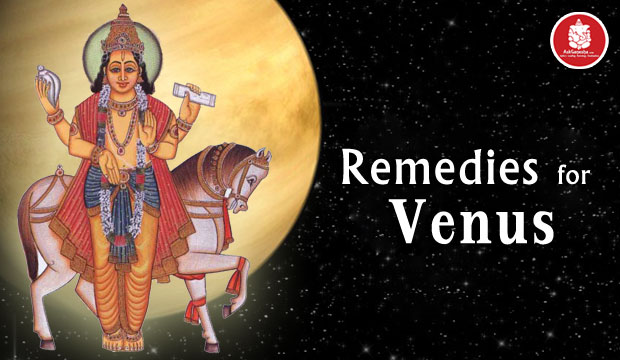
This is the Vedic model for reconciliation: not manipulation of the other person, but sincere transformation of oneself. And it contains a profound practical wisdom — because the most reliable path to genuine reconciliation is almost always the same one: becoming a clearer, more emotionally mature, more genuinely loving version of yourself.
A person who has done real inner work — who has taken responsibility for their part in a relationship’s difficulties, who has cultivated greater emotional clarity and warmth, who has grown in ways that the relationship called for — is in an entirely different position when approaching a reconciliation conversation than one who has not.
Vedic practice supports this process directly. The mantras calm and clarify the mind. The ritual creates structure and intention. The astrological framework provides perspective on what is happening and when conditions are likely to shift. Together, they cultivate exactly the inner state from which genuine reconciliation becomes possible.
The Honest Answer to “Can It Guarantee My Ex Will Come Back?”
This is the question at the heart of everything, and it deserves the most honest possible answer.
No — and the authentic Vedic tradition does not claim otherwise.
No astrological practice, Vedic remedy, mantra, or ritual can guarantee that a specific person will return to you, fall in love with you again, or make specific choices. This is not a limitation of the tradition — it is the tradition’s most fundamental ethical principle. Every person has free will. Every soul is on its own path. The Vedic cosmos is not one in which one person’s desires can simply override another person’s autonomy.

What the Vedic tradition does claim — honestly and with thousands of years of practice behind it — is this:
Sincere Vedic practice changes the practitioner. It cultivates the inner qualities that make reconciliation and lasting love genuinely possible. It strengthens the planetary energies in your chart that govern love and partnership. It creates the psychological and emotional conditions from which authentic connection can grow.
Timing matters enormously. The Vedic tradition’s most unique contribution to questions of relationship is its sophisticated understanding of planetary timing. Knowing that you are in a Saturn transit that creates temporary separation — and that this transit ends in six months — is qualitatively different from believing the relationship is permanently over. The astrological timing framework gives genuine hope that is grounded in something real, not in wishful thinking.
Some separations are karmic completions. This is perhaps the most important and most difficult truth the Vedic tradition offers in this context. Not every relationship is meant to continue. Some connections — particularly those involving strong Rahu or Ketu involvement — are karmic in nature: deeply intense, powerfully felt, but ultimately designed to catalyse specific growth rather than to be permanent. A qualified Jyotishi can help you understand whether what you are experiencing is a temporary planetary challenge to a fundamentally strong connection, or a karmic completion that is ultimately in your highest interest to accept.
Practical Steps — What You Can Do Right Now
Whether you are seeking the return of an ex or trying to repair a struggling marriage, here is what the Vedic tradition recommends as an immediate, genuine starting point:
Step 1: Get a birth chart reading. Before any remedy, you need to understand your current planetary picture. What Dasha period are you in? What is happening with your 7th house? Where is Venus in your chart, and what is its current strength? This is the foundational information upon which everything else is built.
Step 2: Begin a Shukra (Venus) practice. Regardless of the specific details of your situation, strengthening Venus is almost universally appropriate for anyone seeking to improve their love life and relationship prospects. Begin the Friday Shukra Vrata: white flowers, Shukra mantra Japa (Om Shum Shukraya Namah — 108 repetitions), white offerings, and a clear Sankalpa of love and harmony.
Step 3: Engage in a Shiva-Parvati Puja. For those working on a troubled marriage specifically, the Shiva-Parvati Puja on Mondays — including the 16 Somvar Vrat — is one of the most classical and deeply traditional Vedic remedies for marital harmony and reconciliation.
Step 4: Do the inner work honestly. This is not separate from the Vedic practice — it is the heart of it. Use the clarity that mantra and ritual bring to examine your own contribution to the relationship’s difficulties with genuine honesty. What would you need to change, grow, or heal in yourself for this relationship to flourish?
Step 5: Consult a verified Jyotishi for personalised guidance. The most powerful Vedic remedies are always those tailored to your specific birth chart. A qualified astrologer on one of the platforms below can provide that personalisation through a free introductory consultation.
Trusted Platforms for Free Consultation
These verified platforms offer free introductory consultations with qualified Jyotishis who can assess your specific situation and provide personalised Vedic guidance:
AstroTalk — India’s largest verified Jyotish platform. Free introductory credits on signup. Specialists in relationship astrology, Kundli matching, and Vedic Upayas. 🔗 https://astrotalk.com
Astroyogi — Trusted since 2001. Deep expertise in marriage astrology, Vivah timing, and relationship Upayas. Free first consultation for new users. 🔗 https://www.astroyogi.com
Vama — Certified Jyotish practitioners with specific expertise in relationship and marriage astrology. Free Kundli generation on signup. 🔗 https://vama.app
Anytime Astro — 24/7 availability for urgent relationship guidance. Free chat minutes on account creation. 🔗 https://www.anytimeastro.com
Ganeshaspeaks — Free question submission for genuine Jyotish relationship guidance with no signup required. 🔗 https://www.ganeshaspeaks.com
Final Thoughts — The Most Honest Thing Vedic Astrology Can Say
The most honest thing Vedic astrology can say to someone asking “can Vashikaran help me get my ex back or fix my marriage?” is this:
It cannot guarantee a specific outcome. No authentic practice can. But it can give you something more durable than a guarantee — it can give you understanding, timing, tools, and a path.
Understanding of what planetary factors are actually at play in your situation. Timing knowledge about when conditions are most favourable for the conversations and connections you need. Specific, classically grounded tools — mantras, Upayas, Vrata — for cultivating the inner qualities that make reconciliation genuinely possible. And a path of sincere inner work that transforms you in ways that serve you regardless of what the other person ultimately chooses.
That is a great deal. It is not everything you wish for. But it is real — and in the end, real is what endures.
Keywords: can Vashikaran help get ex back, Vashikaran to fix failing marriage, Vedic astrology relationship reconciliation, how to get ex love back astrology, marriage problem solution Vedic astrology, Saturn transit relationship separation, Venus remedy for love back, Jyotish guidance for broken relationship