

Every couple fights. That is not the problem. The problem is when the same arguments keep happening — the same words, the same triggers, the same cycle of rupture and repair that never quite reaches resolution. When misunderstandings feel not like isolated incidents but like a pattern woven into the fabric of the relationship itself. When you find yourself wondering: why does this keep happening? Why can we not seem to get past this particular thing, no matter how much we love each other?
If that description resonates, you are not alone — and the question you are asking has a more specific answer than most people realise.
In the Vedic astrology (Jyotish) tradition, recurring conflict patterns in relationships are understood as expressions of specific planetary configurations — identifiable, analysable, and addressable through classical astrological remedies. A qualified love problem specialist astrologer does not just offer general relationship advice. They read the specific planetary dynamics between two people’s charts and give you a precise map of where the friction originates, why it recurs, and what can genuinely be done about it.
This guide explains exactly how — with no unreliable claims, no supernatural promises, and no agenda other than giving you an honest, classically grounded account of what genuine Vedic love astrology offers to couples navigating recurring conflict.
Why Some Couples Fight About the Same Things — Forever
Before exploring the astrological perspective, it is worth acknowledging what modern relationship psychology has established about recurring couple conflict — because the Vedic tradition’s insights are most meaningful when understood alongside this context.
Research in relationship psychology — particularly the work of Dr. John Gottman, whose longitudinal studies of thousands of couples produced some of the most robust findings in the field — has consistently shown that the majority of recurring couple conflicts are not resolvable in the conventional sense. They are expressions of fundamental differences in personality, values, needs, and emotional style that do not disappear through argument, and that require instead a different quality of mutual understanding and accommodation.
The Vedic tradition arrived at a remarkably similar conclusion thousands of years earlier — but through a different framework. In Jyotish, recurring conflict patterns between couples are understood as expressions of planetary incompatibilities or challenging inter-chart dynamics that create predictable areas of friction. These are not character flaws to be corrected. They are energetic realities to be understood, worked with consciously, and addressed through appropriate Vedic remedies.
Both perspectives converge on the same practical wisdom: the path through recurring conflict is not more fighting, not more explaining, and not pretending the differences do not exist. It is genuine understanding of the dynamics at play — followed by conscious, committed effort to work with those dynamics rather than against them.
A genuine love problem specialist astrologer provides exactly that understanding, from the uniquely precise perspective of the Vedic birth chart.
What Vedic Astrology Sees in Couple Conflict

In Vedic astrology, couple conflict is not a monolithic phenomenon. Different planetary configurations create different kinds of recurring friction — and understanding which specific configuration is most active in your relationship is the key to addressing it effectively.
Here are the most commonly identified planetary dynamics behind recurring couple misunderstandings and fights:
Mars (Mangal) — The Planet of Fire and Conflict
Mars is the primary planetary significator of anger, assertion, aggression, and conflict in Vedic astrology. When Mars is prominently placed in one or both partners’ charts — particularly in the 1st, 4th, 7th, or 8th house (the Mangal Dosha configuration) — a higher baseline of intensity, irritability, and conflict tendency is astrologically present.
A strong Mars does not make a person bad or a relationship impossible. It creates a specific energetic quality — directness, passion, the willingness to fight — that can be expressed constructively or destructively depending on how consciously it is worked with. Couples where one or both partners have prominent Mars placements often have highly passionate, intense relationships that are prone to explosive arguments precisely because the underlying feelings run deep.
The Vedic approach is not to suppress Mars — which is neither possible nor desirable — but to channel it consciously through appropriate Upayas that redirect its energy from destructive conflict toward the passion, courage, and protective love that Mars at its best represents.
Mercury (Budh) — The Planet of Communication
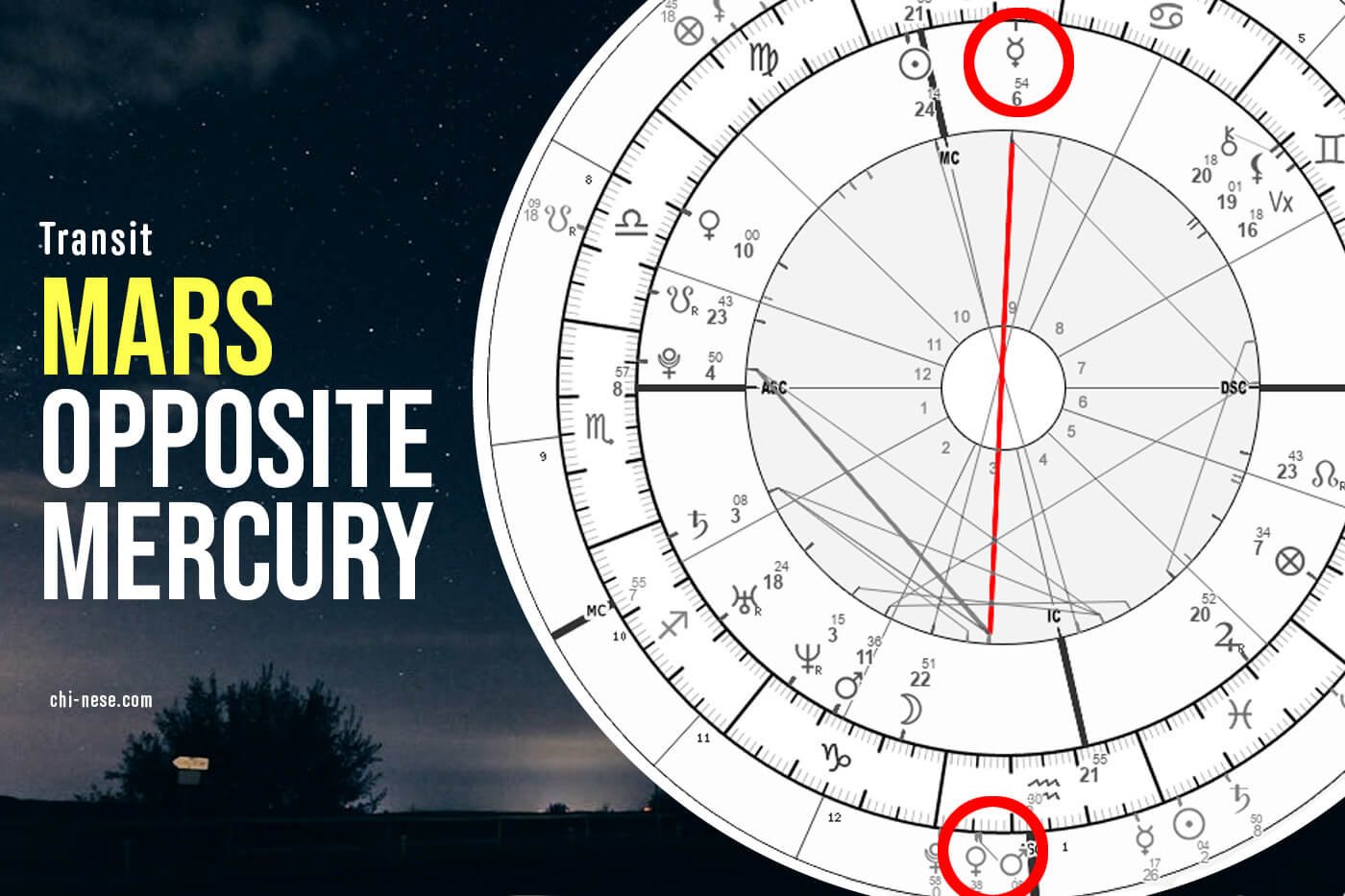
Mercury governs communication, language, thought patterns, and the way information is processed and expressed. When Mercury is afflicted in one or both partners’ charts — or when one partner’s Mercury is in difficult relationship with the other’s key planets — communication-based misunderstandings become a recurring pattern.
This can manifest as partners who simply process information differently: one thinks in concrete, sequential steps while the other thinks in feelings and associations. One communicates directly and expects immediate responses; the other needs processing time and interprets directness as aggression. These are not personality failures — they are Mercury signatures that, once understood astrologically, can be worked with much more compassionately.
You May Also Like : how to find genuine Vedic love astrologer
Moon (Chandra) — The Emotional Landscape
The Moon governs emotional needs, instinctive responses, and the way we process feelings. Moon incompatibility between two charts — particularly when one partner’s Moon is in a sign or Nakshatra that creates friction with the other’s — is one of the most common sources of emotional misunderstanding in relationships.
Partners with difficult inter-chart Moon dynamics often describe a feeling of emotional translation difficulty: the sense that they are speaking different emotional languages, that one person’s needs feel incomprehensible or overwhelming to the other. This is often experienced as a recurring conflict about emotional availability, sensitivity, or the “right” way to feel about things.
The 7th House and Its Lord
The 7th house in the Vedic birth chart governs committed partnership, and the condition of this house — the sign on its cusp, the planets within it, and the strength and placement of its lord — describes the specific relational dynamic a person tends to create in long-term partnerships.
When the 7th house lords of two partners are in difficult relationship with each other — in opposition, or under affliction by the same malefic planet — a structural tension in the partnership is astrologically indicated. Understanding the specific nature of this tension helps couples approach it with more compassion and less personalisation.
Rahu and Ketu — The Karmic Axis
Rahu and Ketu (the Moon’s nodes) in Vedic astrology represent karmic themes — the patterns carried from past lives that surface in present-life relationships for resolution. When Rahu or Ketu in one partner’s chart makes strong contact with sensitive points in the other’s chart, the relationship carries a quality of karmic intensity: a sense that something larger is at play, that the connection is significant beyond its immediate circumstances, and that specific lessons must be learned through the relationship’s challenges.
Karmic relationship dynamics often manifest as recurring conflict around specific themes — power and control, freedom and commitment, independence and belonging — that seem disproportionately loaded for their apparent content. Understanding the Rahu-Ketu dynamic helps couples approach these conflicts with the seriousness and spiritual intentionality they deserve.
What a Love Problem Specialist Astrologer Specifically Offers to Couples

A qualified Vedic love problem specialist offers couples facing recurring conflict a genuinely different kind of analysis — one that is specific to their charts rather than generic to their situation. Here is what that analysis looks like in practice:
1. A Dual Chart Analysis — Reading Both Partners’ Planetary Configurations
A genuine love problem specialist begins by reading both partners’ birth charts — not just one. This dual analysis reveals:
- The specific planetary signatures each partner brings to the relationship
- The areas of natural harmony between the two charts
- The specific points of planetary friction that create recurring conflict
- The karmic themes (Rahu-Ketu) that give the relationship its deeper significance
- The current Dasha and transit conditions affecting both charts simultaneously
This dual analysis transforms the understanding of conflict from “we keep fighting because something is wrong with us” to “we keep encountering friction in this specific area because of this specific inter-chart dynamic — and here is what can be done about it.”
2. Kundli Milan — The Classical Compatibility Analysis
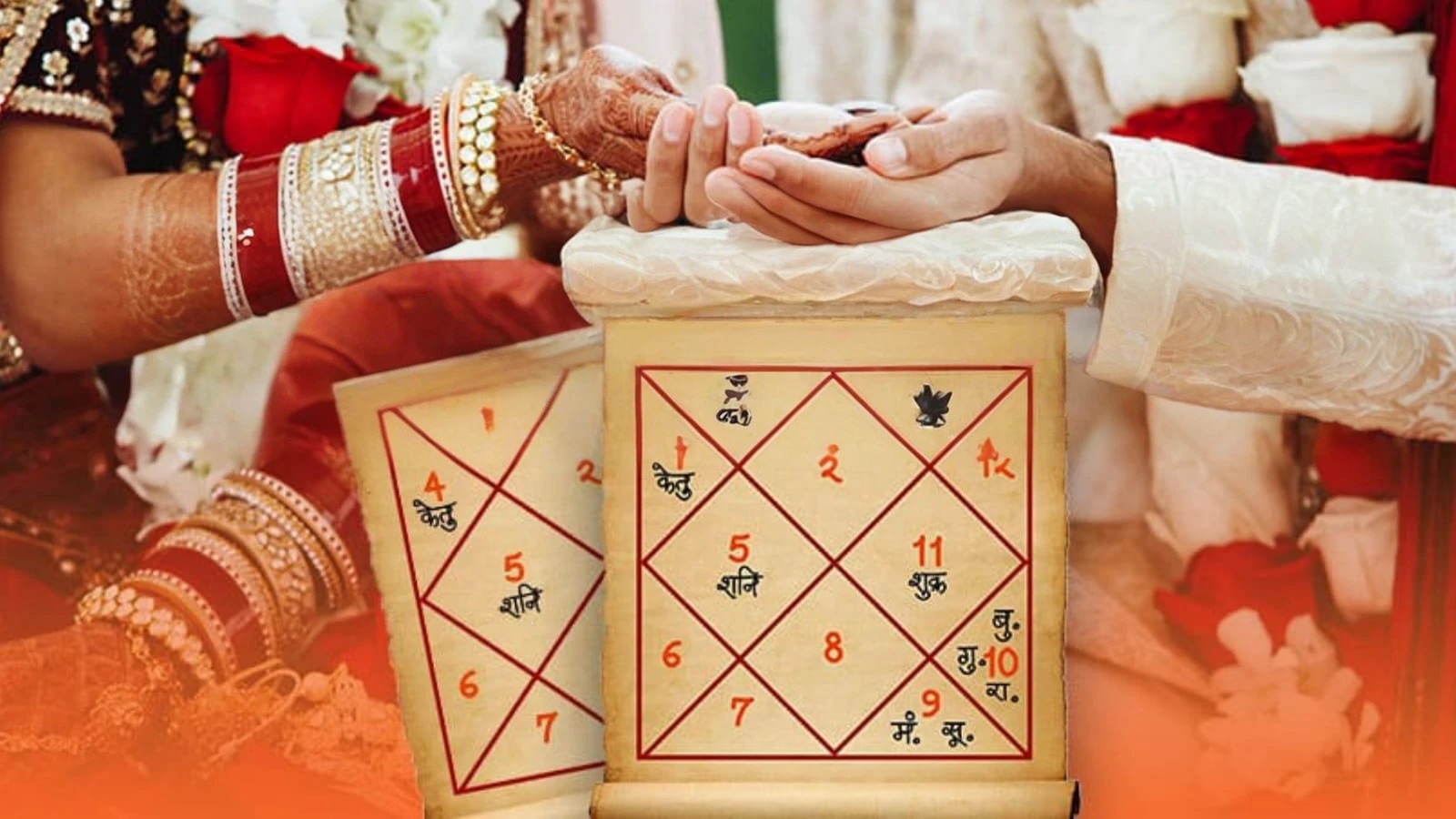
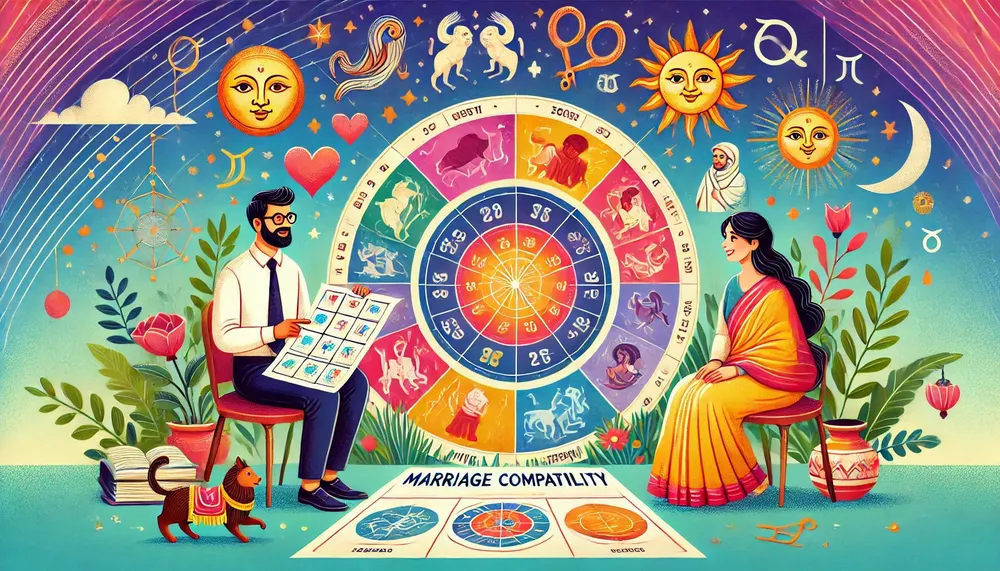
The Ashtakoot system of Kundli matching assesses compatibility between two charts across eight dimensions — Varna (temperament), Vashya (influence), Tara (Nakshatra compatibility), Yoni (instinctive nature), Graha Maitri (planetary friendship), Gana (temperament classification), Bhakoot (emotional compatibility), and Nadi (health and progeny compatibility).
For couples already in a relationship, this analysis is not about deciding whether to be together — it is about understanding the specific compatibility strengths and challenges that their charts reveal, and using that understanding to approach their differences with greater compassion and strategic awareness.
A couple with high Bhakoot compatibility and low Vashya compatibility, for example, is one that has deep emotional resonance but struggles with practical influence and decision-making dynamics. Knowing this specifically is far more useful than knowing generically that they fight sometimes.
3. Identification of the Primary Conflict Trigger — Astrologically
Based on the dual chart analysis, a qualified Jyotishi will identify the specific planetary configuration most responsible for the recurring conflict pattern. This identification is genuinely useful because it:
- Removes personalisation from the conflict (“you are difficult”) and replaces it with planetary understanding (“this specific dynamic between our charts creates this specific kind of friction”)
- Points directly toward the most appropriate remedy for the specific configuration identified
- Gives the couple a shared framework for understanding their conflicts that both can work with
You May Also Like : What is Satvik Vashikaran vs. Black Magic Vashikaran? — A Vedic Astrology Perspective
4. Personalised Vedic Remedies for Both Partners
Based on the specific analysis, a qualified Jyotishi prescribes Vedic remedies tailored to the identified planetary configurations. For couple conflict, these typically include:
For Mars-driven conflict: Mars-specific remedies to consciously redirect its energy — Tuesday observances, Mangal mantra Japa (Om Angarakaya Namah — 108 repetitions), the offering of red flowers and lentils, and physical practices (exercise, outdoor activity) that give Mars’s energy a healthy outlet.
For Mercury communication friction: Mercury-specific remedies to improve communication clarity — Wednesday observances, Budh mantra Japa (Om Budhaya Namah — 108 repetitions), green offerings, and conscious practices around the manner and timing of important conversations.
For Moon-based emotional misunderstanding: Moon remedies to improve emotional receptivity and mutual attunement — Monday observances, Chandra mantra Japa (Om Som Somaya Namah — 108 repetitions), white foods and offerings, and the cultivation of deliberate emotional availability.
For Venus harmony: Shukra remedies to strengthen the loving, harmonious dimension of the relationship — Friday observances, Shukra mantra Japa (Om Shum Shukraya Namah — 108 repetitions), white flowers and sweets, and conscious cultivation of appreciation and beauty within the relationship.
For karmic Rahu-Ketu dynamics: Specific Rahu and Ketu Upayas that help both partners consciously engage with the karmic themes at play — Rahu mantra Japa (Om Rahave Namah), Ketu mantra Japa (Om Ketave Namah), and practices oriented toward the conscious recognition and working-through of the specific lessons the relationship is bringing.
5. Timing Guidance — When Conflicts Are Likely to Intensify
The Vedic Dasha and transit system provides genuinely useful timing guidance for couples navigating recurring conflict. Knowing that a period of intensified friction is coming — because, for example, Mars is about to transit a sensitive point in one partner’s chart — allows the couple to prepare consciously rather than being caught off guard.
Conversely, knowing that a period of greater planetary harmony is approaching gives couples going through a difficult stretch genuine, astrologically grounded hope that the intensity is not permanent.
The Gana System — Understanding Temperament Incompatibility
One of the most practically insightful elements of Vedic compatibility analysis for understanding couple conflict is the Gana system — the classification of each person’s Nakshatra (birth star) into one of three temperament categories:
Deva Gana — the divine temperament: idealistic, harmonious, spiritually oriented, and naturally disposed toward peace and accommodation.
Manushya Gana — the human temperament: balanced, practical, and able to navigate both harmony and conflict with moderate ease.
Rakshasa Gana — the fierce temperament: intense, direct, passionate, and naturally inclined toward strong assertion of needs and boundaries.
When partners are from the same Gana — Deva with Deva, Manushya with Manushya, or Rakshasa with Rakshasa — their baseline temperament is compatible and they generally approach conflict in similar ways. When partners are from very different Ganas — particularly Deva with Rakshasa — their fundamental temperamental orientation is quite different, and what one partner experiences as passionate directness the other may experience as aggression or harshness.
Understanding the Gana dynamic between you and your partner does not resolve conflicts by itself. But it provides an extraordinarily useful framework for understanding why you approach disagreements so differently — and for developing genuine compassion for a partner whose temperament differs fundamentally from your own.
You May Also Like : Top 10 Vashikaran Totke for Love — Ancient Vedic Remedies for Attracting and Strengthening Love
What a Love Problem Specialist Astrologer Cannot Do — And Why Honesty Matters
A genuine love problem specialist astrologer, working within the authentic Vedic tradition, cannot:
Make your partner change their fundamental personality. Vedic remedies strengthen planetary energies and support inner transformation — but they work through each person’s own willing practice, not through external imposition on someone who has not chosen to change.
Eliminate all conflict from a relationship. Conflict between two distinct people with different needs, temperaments, and histories is not a pathology to be eliminated. It is a feature of genuine intimacy. The goal of Vedic guidance is not conflict-free relationship, but conflict that is understood, approached with more consciousness, and resolved more effectively.
Guarantee specific relationship outcomes. Astrological remedies work with tendencies and energies — they do not override free will or predetermine outcomes.
What genuine Vedic astrology can do — and does consistently — is provide the specific, chart-based understanding of conflict dynamics that allows couples to approach their differences with greater compassion, greater strategic awareness, and the kind of meaningful inner practice that genuinely shifts the energetic quality of the relationship over time.
Practical Steps Couples Can Take Right Now
Whether or not you are ready for a full astrological consultation, here are immediate practices the Vedic tradition recommends for couples experiencing recurring conflict:
Begin a shared Shiva-Parvati Puja on Mondays. Light a ghee lamp together, offer flowers to an image of Shiva and Parvati — the Vedic archetype of the harmonious divine couple — and recite Om Namah Shivaya 108 times together. The act of shared spiritual practice is itself profoundly harmonising.
Observe Friday as a Venus day together. On Fridays, make a conscious effort to do something beautiful together — share a meal, offer flowers to a deity, or simply spend time in each other’s company with genuine appreciation and without the day’s normal friction. This is a simple but classically grounded Shukra Upaya for relationship harmony.
Begin individual Mercury practices. If communication friction is the primary recurring pattern, each partner beginning a Wednesday Mercury practice — Budh mantra Japa before important conversations — can genuinely shift the quality of communication over time.
Get a dual chart consultation from a verified Jyotishi. The most powerful shift comes from understanding the specific planetary dynamics between your two charts. A qualified love problem specialist astrologer can provide this through a free introductory consultation on any of the verified platforms below.
Trusted Platforms for Couple Consultation
These verified platforms connect you with genuine love problem specialist astrologers who offer dual-chart analysis and couple compatibility consultations:
AstroTalk — India’s largest verified platform. Specialists in Kundli matching, couple compatibility, and relationship Upayas. Free introductory credits for new users. 🔗 https://astrotalk.com
Astroyogi — Trusted since 2001. Deep expertise in Ashtakoot compatibility analysis and couple conflict dynamics. Free first consultation. 🔗 https://www.astroyogi.com
Vama — Certified Jyotish practitioners. Free Kundli generation. Strong in Gana and Nakshatra compatibility analysis. 🔗 https://vama.app
Anytime Astro — 24/7 access. Free chat minutes on account creation. Excellent for urgent couple guidance. 🔗 https://www.anytimeastro.com
Ganeshaspeaks — Free question submission. No signup required. Ideal for a first couple-specific question. 🔗 https://www.ganeshaspeaks.com
Final Thoughts — Understanding Is the Beginning of Peace
The Vedic tradition’s model of the ideal couple is not Shiva and Parvati because they never fought — it is because their differences were perfectly complementary. Shiva’s fierce, ascetic stillness and Parvati’s warm, earth-grounded devotion are not similar. They are opposites. And their union works not despite those differences but through the conscious, loving engagement with them.
This is the Vedic wisdom at the heart of couple conflict: the goal is not partners who are the same, who never disagree, who glide through relationship without friction. The goal is partners who understand their differences clearly enough — astrologically, temperamentally, emotionally — to approach those differences with genuine compassion, strategic awareness, and the kind of sincere spiritual practice that gradually transforms friction into the foundation of something deep.
A genuine love problem specialist astrologer, working from the authentic Vedic tradition, is a guide toward exactly that understanding. They cannot resolve your conflicts for you. But they can give you the planetary map of where those conflicts come from — and that map, in the right hands, is one of the most genuinely useful things any couple can have.
Keywords: love problem specialist astrologer couple fights, astrologer solve couple misunderstandings, Vedic astrology couple conflict solution, Jyotish guidance for couple fights, Mars Mercury Moon couple conflict astrology, Kundli compatibility couple harmony, Vedic remedies for couple fights, astrology solution for relationship misunderstanding