


The phrase “black magic” and the phrase “Vedic astrology” are often used in the same breath in Indian popular culture — sometimes as if they are the same thing, sometimes as if one naturally leads to the other. Neither assumption is correct. In fact, when you go back to the actual classical texts — the Bhagavad Gita, the Brihat Parashara Hora Shastra, the Atharva Veda, the Charaka Samhita — what you find is something quite different from what the online “black magic specialist” industry would have you believe.
This article takes you directly to the classical sources and tells you honestly what they actually say — about dark practice, about authentic astrology, and about where the two traditions genuinely differ.
Two Entirely Different Knowledge Systems
The first and most important clarification: Vedic astrology (Jyotish) and what is popularly called “black magic” are not two ends of the same spectrum. They are fundamentally different knowledge systems with different philosophical foundations, different goals, and different ethical frameworks.
Vedic Astrology (Jyotish) is one of the six Vedangas — the auxiliary disciplines of the Vedic tradition, considered essential to the proper understanding and application of the Vedic corpus. Jyotish is literally translated as “the science of light” — it is the study of the influence of celestial bodies on human life, practised through birth chart analysis, timing systems (Dasha and transits), and the prescription of planetary remedies (Upayas).
Jyotish is:
- Systematic and verifiable — its methodology is documented in texts that have been studied, debated, and refined for thousands of years
- Directed at the practitioner’s own chart — it works by understanding and aligning with one’s own planetary configuration
- Ethically grounded — its remedies are prescribed within the framework of Dharma and Sattva Guna
- Publicly available — its texts are published, translated, and accessible to any serious student
Abhichara (what popular culture calls black magic) is a category of practice described in the Atharva Veda and certain Tantric texts as harmful, Tamasic, and contrary to Dharma. It is:
- Intent-based — its defining characteristic is the intent to harm, disrupt, or coerce another person
- Directed at others — it operates by targeting another person, not by working with one’s own chart
- Explicitly condemned — the classical texts that describe it do so in the context of warning against it, not prescribing it
- Rare in genuine practice — the classical tradition has always been far more concerned with protective and healing practices than with harmful ones
You May Also Like : Ex Love Back by Astrologer — What Vedic Astrology Can Genuinely Offer After a Breakup
What the Atharva Veda Actually Says
The Atharva Veda is often invoked by fraudulent practitioners as the supposed scriptural source for their “black magic” services. What those practitioners almost never tell their clients is what the Atharva Veda actually says.
The Atharva Veda is the fourth and youngest of the four Vedas — a rich and diverse collection of hymns addressing healing, protection, love, harmony, prosperity, and the full range of human concerns. It does contain hymns that acknowledge the existence of harmful practices and seek protection from them — but these are prayers for protection, not instructions for harm.
The Atharva Veda’s approach to what we might call dark influences is consistently one of protection, healing, and the invocation of divine assistance against harm — not one of teaching practitioners how to harm others.
Classical Sanskrit scholars have consistently noted that the Atharva Veda’s so-called “harmful” hymns represent a tiny minority of its content — and that even these are better understood as ritual acknowledgements of harmful forces than as instructions for their use. The vast preponderance of the text is devoted to healing, protection, love, and the support of human flourishing.
What the Brihat Parashara Hora Shastra Says
The Brihat Parashara Hora Shastra (BPHS) — the foundational text of Vedic astrology, attributed to the sage Parashara and considered the primary classical authority in Jyotish — is unambiguous in its ethical framework.
The BPHS describes Vedic astrology as a tool for understanding one’s karma and navigating one’s life with greater wisdom and alignment. Its remedial section (Upaya Shastra) prescribes specific practices — mantra, gemstone, Daan, Vrata — for strengthening beneficial planetary energies and mitigating challenging ones. Every remedy in the BPHS is directed at the native’s own chart — at their own planetary configuration — not at influencing or harming anyone else.
The BPHS does not prescribe, support, or endorse any practice aimed at causing harm to another person. Its entire remedial framework is built on the principle of working with one’s own karma rather than interfering with someone else’s.
What the Bhagavad Gita Says — The Definitive Framework
The Bhagavad Gita provides the most philosophically complete framework for understanding the relationship between authentic Vedic practice and what is popularly called black magic.
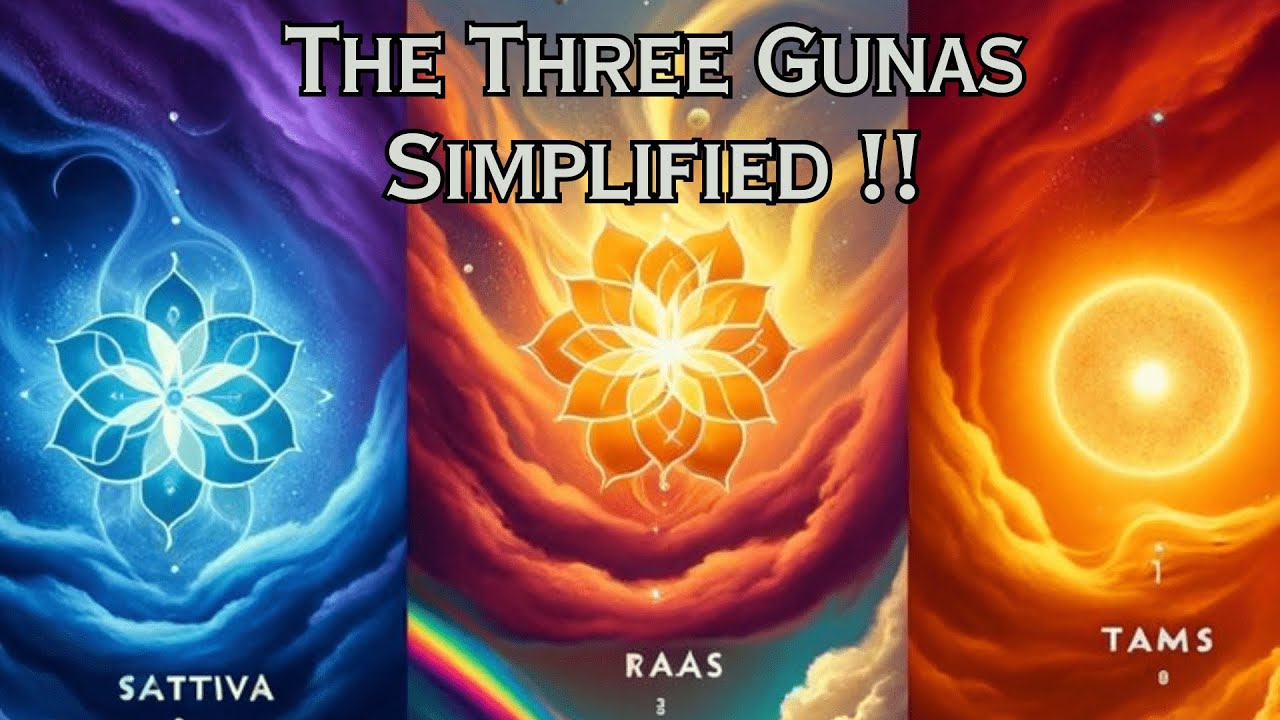
In Chapter 17, Krishna describes three types of Tapas (spiritual discipline) — Sattvic, Rajasic, and Tamasic. His description of Tamasic Tapas is worth quoting directly (in paraphrase, to avoid copyright concerns): it is described as practice performed with the intention of harming others, driven by foolishness and delusion, aimed at the destruction or self-destruction of those who engage in it.
This is the Gita’s verdict on Abhichara: it is foolish, deluded, self-destructive, and aimed at harm. It is the opposite of what authentic Vedic spiritual practice represents.
Chapter 18’s description of Tamasic action reinforces this: action performed through delusion, without consideration of consequences, harm to others, and one’s own limitations is Tamasic. The Gita is not ambiguous here.
You May Also Like : How to Get Your Love Back: Practical Relationship Advice That Works

The Charaka Samhita — Ayurveda’s Perspective on the Mind
The Charaka Samhita — the foundational text of Ayurvedic medicine — provides an additional and often overlooked dimension to this discussion. Its framework of Mano Roga (mental disease) identifies specific Tamasic mental states that arise from engaging with harmful practices:
Moha — delusion, excessive attachment, inability to think clearly Bhranti — confusion about what is real Bhaya — persistent, irrational fear Prajnaparadha — “the crime against wisdom” — the state of knowingly acting against one’s own better judgment
The Charaka Samhita’s position is that engaging with Tamasic practices — including harmful rituals — actively produces these mental states in the practitioner. This is the Ayurvedic understanding of why Abhichara is self-destructive: it creates measurable deterioration in the practitioner’s own mental health and discriminative capacity.
The Online “Black Magic” Industry — How It Distorts Both Traditions
Understanding the classical texts makes the fraudulent nature of the online “black magic specialist” industry immediately visible. These practitioners typically claim to be working from one or both of two traditions:
They claim Vedic astrology authority — using Sanskrit terminology, references to planetary remedies, and the language of Jyotish to establish credibility. But as the BPHS makes clear, genuine Jyotish is entirely directed at the native’s own chart and is built on an ethical framework of Dharma and Sattva. No genuine Jyotishi prescribes harmful practices against others.
They claim Tantric or Atharva Vedic authority — invoking these traditions as sources for their “black magic” services. But as we have seen, the Atharva Veda is overwhelmingly a text of healing and protection, not harm. And the authentic Tantric traditions — which are sophisticated philosophical and practical systems with centuries of genuine lineage — have their own rigorous ethical frameworks that categorically oppose the kind of manipulative, commercially motivated harmful practice that fraudulent “specialists” offer.
What these practitioners are actually doing is using the language of genuine traditions to legitimise practices that those traditions explicitly condemn.
Key Differences — A Direct Comparison
| Dimension | Vedic Astrology (Jyotish) | “Black Magic” (Abhichara) |
|---|---|---|
| Classical source | Brihat Parashara Hora Shastra, Jataka Parijata | Marginal sections of Atharva Veda, distorted Tantric texts |
| Direction | Directed at the practitioner’s own chart | Directed at harming another person |
| Ethical basis | Dharma, Sattva Guna, Purushartha | Against Dharma, explicitly Tamasic |
| Gita’s classification | Sattvic — aligned with wisdom and growth | Tamasic — deluded, self-destructive |
| Effect on practitioner | Cultivates clarity, wisdom, equanimity | Produces Moha, Bhranti, Bhaya (Charaka Samhita) |
| Availability | Classical texts publicly available | Claims to secret, exclusive knowledge |
| Fee structure | Transparent, pre-stated, fixed | Escalating, fear-based, dependency-creating |
| Practitioner accountability | Verifiable credentials, reviews, platform oversight | Anonymous, unverifiable |
| What it requires | Birth data (date, time, place) | Photos, names, personal items |
| Goal | Understanding and aligning with karma | Overriding another person’s free will |
Why “Vedic Astrology” and “Black Magic” Cannot Coexist
The deepest reason that authentic Vedic astrology and harmful dark practice are fundamentally incompatible is philosophical, not merely practical.
Vedic astrology is built on the concept of Karma — the understanding that every action creates consequences that return to their originator. The entire remedial framework of Jyotish is designed to help practitioners navigate their own karma more wisely — not to generate new karma by harming others.
The concept of Ahimsa (non-harm) — one of the most fundamental values across all schools of Indian philosophy — categorically rules out practices aimed at harming another person.
The concept of Purushartha — the doctrine of human free will — means that authentic Vedic practice always respects the autonomy of other individuals. Practices aimed at overriding another person’s free will are, by definition, contrary to this foundational principle.
A practitioner who claims to offer both genuine Vedic astrology and black magic removal services is either deeply confused about what the tradition actually teaches — or is deliberately misrepresenting both traditions for commercial purposes.
You May Also Like : How to Find the Best Vashikaran Specialist Near You — A Genuine Vedic Astrology Guide
How to Find Authentic Vedic Astrology — Not Its Distorted Imitation

Authentic Vedic astrology — the genuine tradition documented in the classical texts — is available to you through verified, reviewed platforms that maintain rigorous standards of practitioner quality:
AstroTalk — India’s largest verified Jyotish platform. Every astrologer vetted through multi-stage verification. Millions of genuine client reviews. Free introductory credits for new users. 🔗 https://astrotalk.com
Astroyogi — Operating since 2001. Deep expertise across all major Vedic traditions. Free first consultation for new users. 🔗 https://www.astroyogi.com
Vama — Certified Jyotish practitioners only. Consistently high quality. Free Kundli generation on signup. 🔗 https://vama.app
Anytime Astro — 24/7 verified access. Free chat minutes on account creation. 🔗 https://www.anytimeastro.com
Ganeshaspeaks — In-house expert team. Free question submission with no signup required. 🔗 https://www.ganeshaspeaks.com
Final Thoughts — The Tradition Speaks Clearly
The classical texts of the Vedic tradition — the Bhagavad Gita, the Brihat Parashara Hora Shastra, the Atharva Veda, the Charaka Samhita — speak clearly and consistently on this question. Authentic Vedic astrology is a system of knowledge directed at understanding and wisely navigating one’s own karma. Abhichara — harmful practice — is explicitly identified as Tamasic, self-destructive, and contrary to Dharma.
The online “black magic specialist” industry exploits the language and aesthetic of both traditions while faithfully representing neither. Its victims are the vulnerable people who, during difficult planetary periods, are most susceptible to manufactured fear and false promises.
The genuine tradition’s response is always the same: cultivate Sattva, study the classical texts, understand your own birth chart through a genuine Jyotishi, and recognise that the most powerful protection available to any human being is the sincere, consistent practice of authentic Vedic wisdom.
That tradition — the real one, documented in texts that have survived thousands of years — is worth knowing. And it is worth protecting from those who distort it.
Keywords: black magic vs Vedic astrology, what classical Vedic texts say about black magic, Abhichara vs Jyotish, Brihat Parashara Hora Shastra black magic, Bhagavad Gita dark practice, Atharva Veda black magic truth, authentic Vedic astrology vs black magic, classical Indian texts spiritual practice