


It is one of the most honest questions anyone can ask about Vedic astrology — and one of the most rarely answered with equal honesty: does Vashikaran actually work?
Ask a sceptic and the answer is an immediate no — it is superstition dressed up in Sanskrit, a psychological trick that exploits confirmation bias and the placebo effect. Ask a true believer and the answer is an equally immediate yes — it is ancient wisdom that science has not yet caught up to, proved by thousands of years of practice and millions of personal testimonies.
The honest answer, as is so often the case with complex questions, lies somewhere between these two extremes — and it is a great deal more interesting than either of them.
In this article, we examine the question of whether Vashikaran works through three distinct lenses: the authentic Vedic astrology (Jyotish) perspective, the lens of modern psychology and neuroscience, and the practical experience of those who have engaged with these practices sincerely. We make no unreliable claims. We cite no supernatural guarantees. We simply follow the question wherever honest examination takes it.
First, What Does “Vashikaran” Actually Mean in Classical Vedic Tradition?
Before we can ask whether something works, we need to be precise about what that something is. And in the case of Vashikaran, there is a significant gap between the popular understanding of the term and its classical Vedic meaning.

In popular usage — particularly in the context of online advertising and unlicensed practitioners — “Vashikaran” has come to mean something like “mind control”: the claimed ability to force another person to think, feel, or act in a specific way through ritual or mantra. This understanding is not supported anywhere in the classical Vedic literature.
In the authentic Vedic tradition, “Vashi” (वशी) means to attract, to draw toward, or to bring under the influence of one’s positive personal qualities — not to control or override another person’s will. “Karan” (करण) means method or practice. The compound refers to practices — primarily mantra, ritual, and Vedic remedies — designed to cultivate in the practitioner the inner qualities of attraction: emotional warmth, personal magnetism, spiritual clarity, and the kind of genuine radiance that naturally draws others closer.
The earliest written references to these practices appear in the Atharva Veda — the fourth Veda, which contains a body of hymns related to human wellbeing, health, love, and the resolution of conflict. These hymns are prayers and invocations, not formulas for controlling other people’s minds. The distinction is fundamental.
So when we ask “does Vashikaran work?” we are really asking two distinct questions:
- Do the Vedic practices traditionally associated with Vashikaran — mantra, Upaya, ritual, and inner cultivation — produce real, beneficial effects?
- Can any practice override another person’s free will and force them to love or return to someone?
The honest answer to the first question is: yes, in meaningful ways that both the Vedic tradition and modern psychology can illuminate. The honest answer to the second question is: no — and any practitioner who claims otherwise is not speaking from the authentic Vedic tradition.
The Vedic Astrology Perspective — How These Practices Are Understood to Work
Within the framework of Vedic astrology (Jyotish), the practices associated with Vashikaran are understood to work through the science of planetary influence on human psychology and behaviour.

Jyotish teaches that each planet in the solar system represents a specific quality of cosmic energy — and that these energies, as reflected in the birth chart, shape a person’s tendencies, strengths, weaknesses, and the patterns of their life in observable ways. Venus (Shukra), for example, governs the qualities of love, beauty, emotional receptivity, and personal magnetism. A strongly placed Venus in a birth chart tends to correlate with ease in relationships and natural charm. A weakened or afflicted Venus correlates with difficulty in love matters, emotional distance, or repeated obstacles in relationships.
The Vedic remedies associated with Vashikaran — the Shukra mantras, the Friday observances, the specific Upayas prescribed by qualified Jyotishis — are understood within this framework as methods of strengthening the planetary energies most relevant to love and attraction in a person’s chart. They are not attempts to manipulate external reality directly. They are practices designed to shift the inner energetic balance of the practitioner — to cultivate the qualities governed by the relevant planets in a more conscious and deliberate way.
This is a coherent internal framework. It does not require acceptance of supernatural causation to be meaningful — it requires only the recognition that disciplined, intentional practice over time genuinely changes the practitioner. And that is something that both the Vedic tradition and modern science can agree on.
The Psychological Perspective — What Science Says About These Practices
This is where the question becomes genuinely fascinating — because modern psychology and neuroscience have a great deal to say about the mechanisms through which practices like mantra recitation, ritual, and intentional meditation produce real, measurable effects.
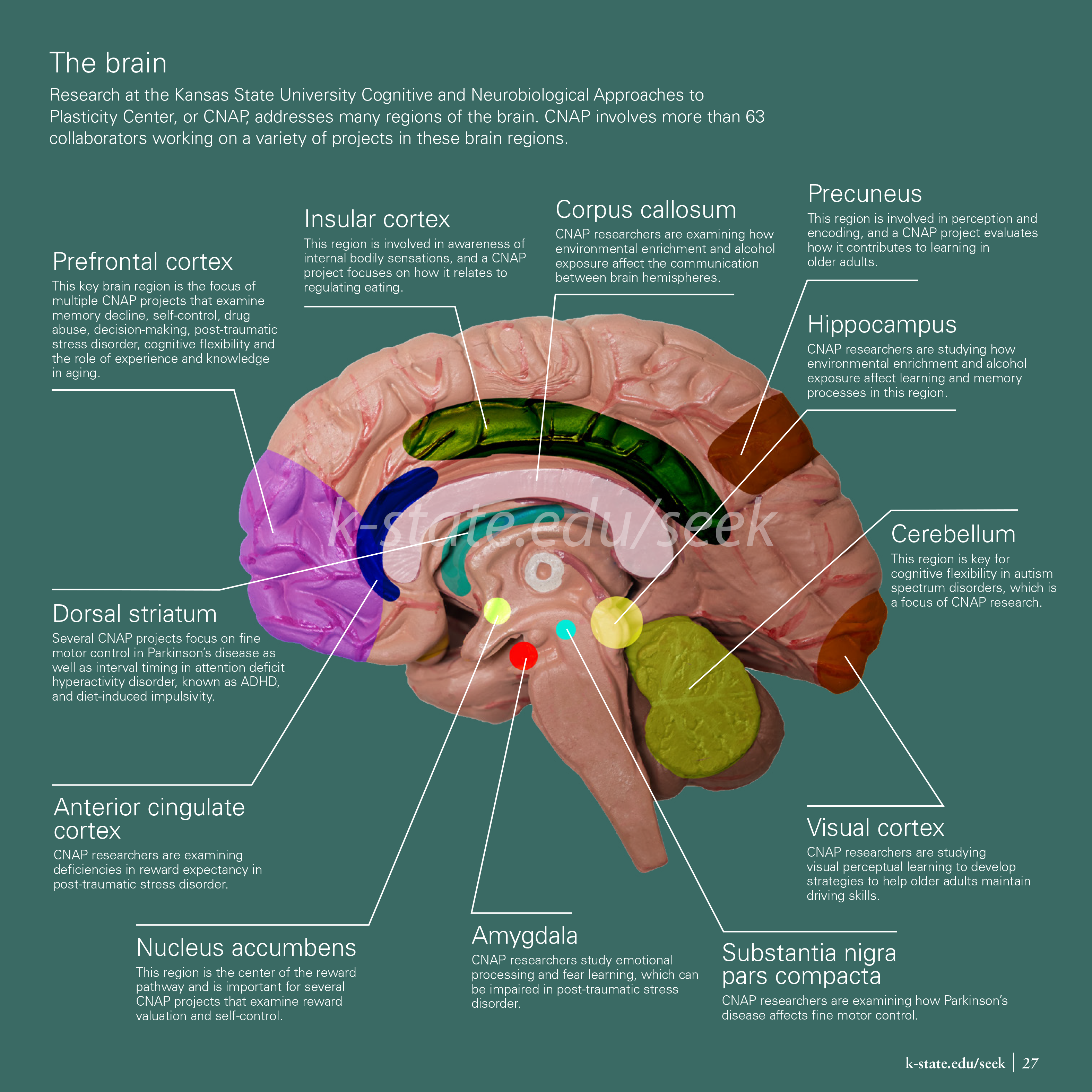
1. The Neurological Effect of Mantra Recitation
Research in neuroscience and contemplative psychology has consistently shown that repetitive, rhythmic vocalisation — including the chanting of Sanskrit mantras — produces measurable changes in brain activity. Studies conducted at institutions including AIIMS (All India Institute of Medical Sciences) and several international research centres have shown that mantra chanting:
- Activates the parasympathetic nervous system, reducing cortisol (stress hormone) levels
- Increases alpha and theta brainwave activity, associated with states of calm focus and creative receptivity
- Stimulates the vagus nerve, which is directly connected to the body’s capacity for emotional regulation and social connection
In other words: regular mantra practice produces a calmer, more emotionally regulated, more socially open and receptive person. And calmer, more emotionally open people are — measurably and consistently — more attractive to others, better at communication in relationships, and more capable of the sustained emotional presence that healthy love requires.
This is not a supernatural claim. It is a straightforward observation about what deliberate mental practice does to the human nervous system over time.
2. The Role of Intention and the Placebo Effect
The placebo effect — one of the most thoroughly documented phenomena in all of medical research — demonstrates beyond reasonable doubt that sincere belief in a treatment or practice produces real, measurable physiological changes. This is not a trick of perception. Placebo-driven improvements in pain, immune function, mood, and social behaviour have been documented in hundreds of peer-reviewed studies.
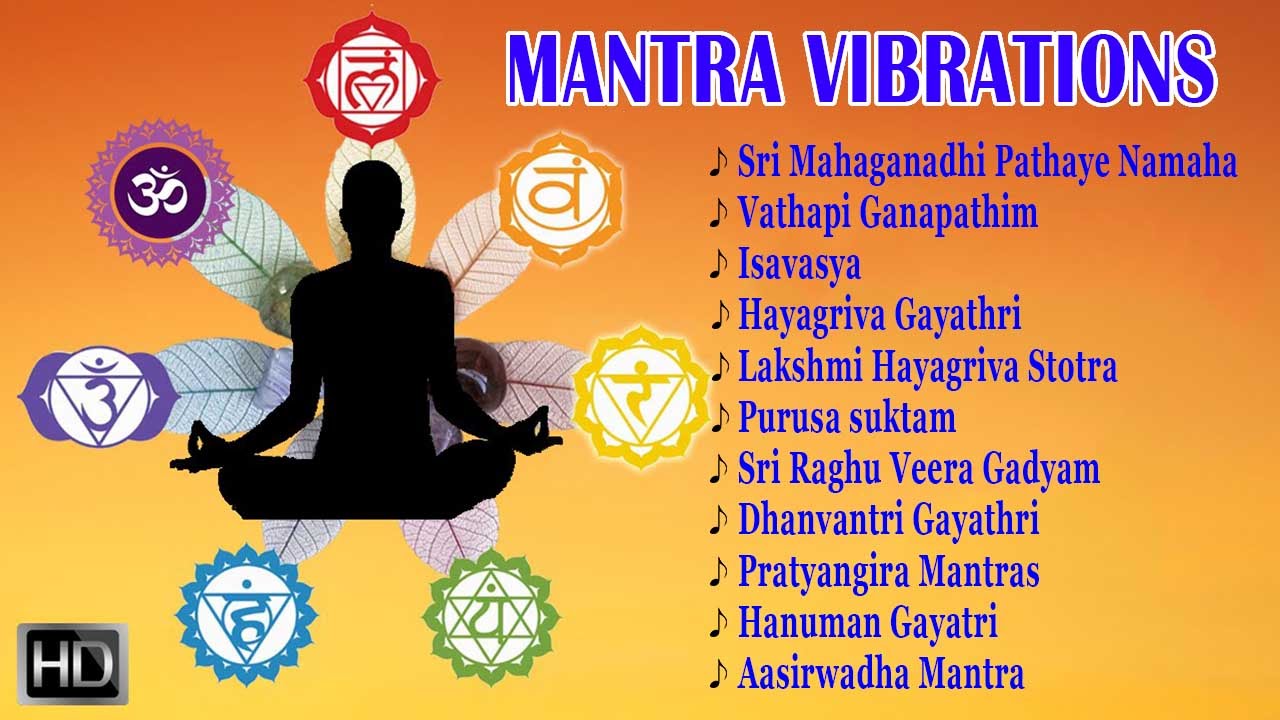
When a person engages in a Vedic remedy practice with genuine Sankalpa (sincere intention), several things happen simultaneously: they are committing to a period of focused attention on their own emotional wellbeing and their relationship goals. They are performing a daily ritual that structures their time and creates a sense of agency over their situation. They are engaging in practices (mantra, meditation, ritual) that neurologically calm and open their nervous system. And they are doing all of this with the belief — sincere or exploratory — that something positive is being cultivated.
The cumulative effect of all of these factors on a person’s psychology, behaviour, and social presence is real and observable. It is not magic — but it is also not nothing.
3. The Confidence and Self-Presentation Effect
Several well-documented psychological phenomena are directly relevant here. Research in social psychology consistently shows that:
- People who engage in regular mindfulness or meditation practices are rated by others as more attractive, more approachable, and more emotionally present
- People who have a clear sense of purpose and practice — a Sadhana — carry themselves with a quality of groundedness that others find compelling
- People who have processed their emotional pain and done genuine inner work are more capable of the vulnerability and openness that creates authentic connection
Vedic Vashikaran practices — when practised genuinely, consistently, and with the right intention — tend to produce exactly these qualities in the practitioner. The mantra creates calm. The ritual creates structure and intention. The philosophical framework creates perspective and a sense of cosmic order. Together, they cultivate the inner state from which genuine attraction and authentic relationship become possible.
Is this “psychological”? Yes. Is it also something more — a genuine engagement with an ancient and sophisticated system of understanding human life and cosmic energy? The Vedic tradition would say yes, and the depth and coherence of that tradition makes that claim worthy of serious consideration.
What the Vedic Tradition Itself Says About the Question
It is worth noting that the Vedic tradition itself never claimed that Vashikaran practices work through supernatural mind control. The classical texts are actually quite clear on this point.
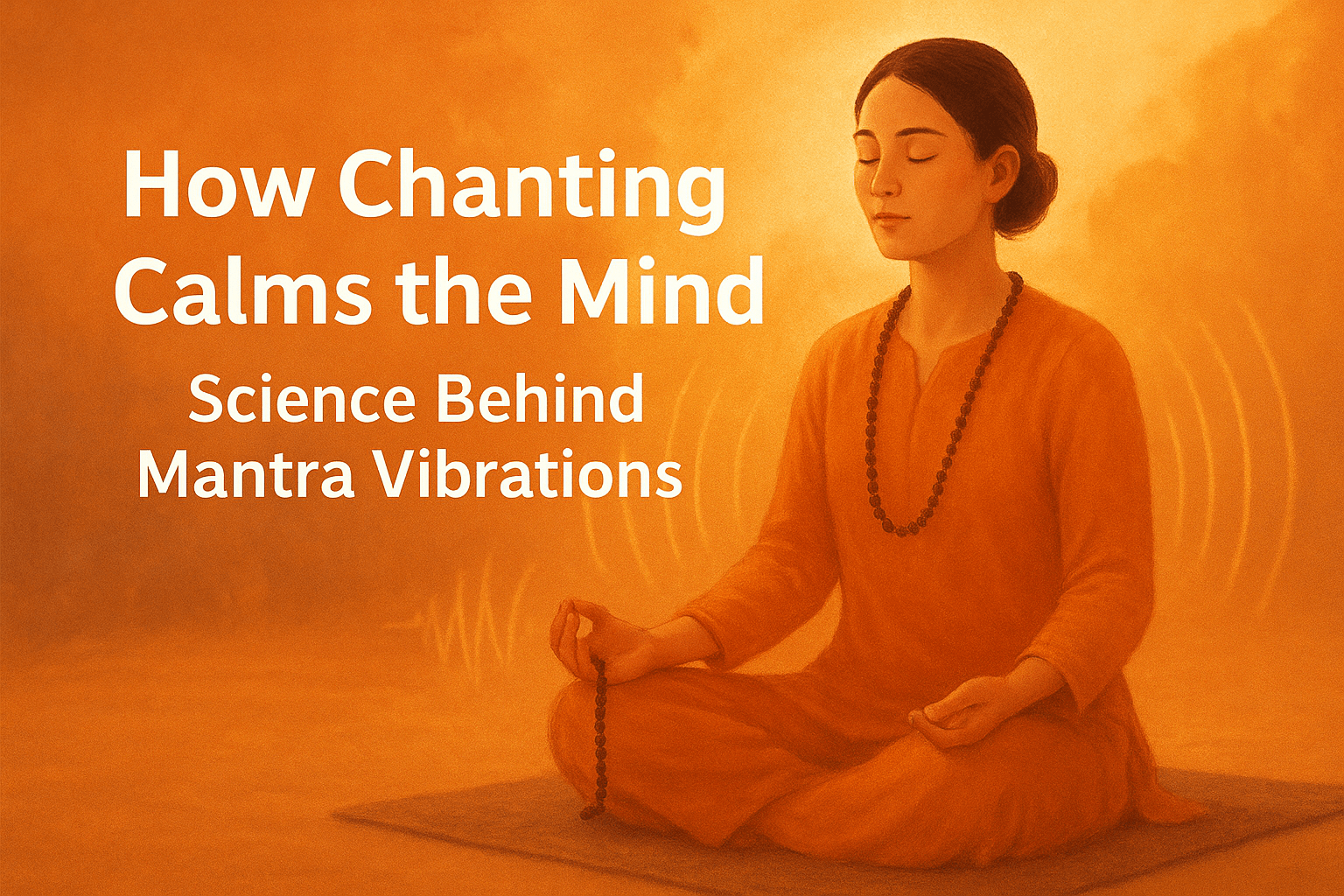
The Brihat Parashara Hora Shastra — the foundational text of Vedic astrology — describes planetary remedies (Upayas) as practices that strengthen the relevant planetary energy in the native’s own chart. The emphasis is consistently on the practitioner’s own inner transformation, not on manipulating external people or circumstances.
The Atharva Veda’s love hymns are prayers — invocations of divine assistance, expressions of the practitioner’s own desire and intention, and calls for cosmic alignment. They are not instructions for overriding another person’s mind.
Even within the tantric traditions that use more complex ritual frameworks, the authentic teachings are consistent: the goal of practice is the cultivation of Shakti — inner divine energy and radiance — not the external control of others.
This distinction is not a modern reinterpretation designed to make the tradition more palatable to sceptics. It is the actual position of the classical texts. The popular understanding of Vashikaran as mind control is a distortion — one that serves primarily to justify fraudulent claims by unqualified practitioners.
So — Does It Work? An Honest Summary
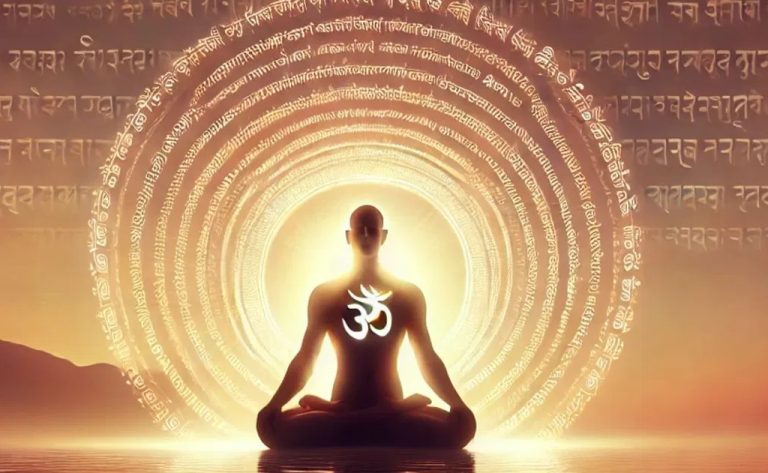
Here is the most honest summary we can offer, grounded entirely in the authentic Vedic tradition and supported by what modern psychology knows:
The authentic Vedic practices associated with Vashikaran — mantra recitation, planetary remedies, ritual observance, and sincere inner cultivation — do produce real effects. These effects are neurological (mantra calms and opens the nervous system), psychological (sincere practice builds confidence, groundedness, and emotional clarity), behavioural (a person who has done genuine inner work shows up differently in relationships), and possibly energetic in ways that the Vedic tradition describes through the language of planetary influence and that modern science does not yet have complete frameworks to assess.
The claim that these practices can override another person’s free will and force them to love, return, or act in a specific way is not supported by authentic Vedic tradition, by any credible modern research, or by honest examination of the evidence. Any practitioner making this claim is not speaking from the classical tradition. They are making a fraudulent claim.
The most powerful mechanism through which these practices work is inner transformation. When a person becomes calmer, more emotionally present, more confident, more grounded, and more genuinely loving through sincere Vedic practice — they become more attractive, more capable of real connection, and more likely to experience the relationship outcomes they are seeking. This is not a trick. This is genuine change.
And genuine change — the Vedic tradition has always taught — is the most powerful force in any human life.
Finding Genuine Vedic Guidance
If you are interested in exploring the authentic Vedic practices associated with love, attraction, and relationship harmony, the most important step is finding a genuinely qualified Jyotishi — a Vedic astrologer with real knowledge of Upaya Shastra — rather than an unqualified practitioner making supernatural claims.
These trusted platforms connect you with verified, qualified Vedic astrologers for free introductory consultations:
- AstroTalk — India’s largest verified Jyotish platform with specialists in remedial astrology 🔗 https://astrotalk.com
- Astroyogi — Trusted since 2001, with deep expertise in Vedic Upaya consultation 🔗 https://www.astroyogi.com
- Vama — Certified Jyotish practitioners specialising in birth chart analysis and Vedic remedies 🔗 https://vama.app
- Anytime Astro — 24/7 access to qualified Vedic astrologers for remedial guidance 🔗 https://www.anytimeastro.com
- Ganeshaspeaks — Free question submission for genuine Jyotish guidance 🔗 https://www.ganeshaspeaks.com
Final Thoughts — Honest Questions Deserve Honest Answers
The question “does Vashikaran work?” deserves an honest answer, not a defensive one. And the honest answer is both more nuanced and more interesting than either the sceptic or the true believer typically allows.
The authentic Vedic practices associated with this tradition — when understood correctly, practised sincerely, and guided by a qualified Jyotishi — produce real, meaningful effects through mechanisms that are both spiritually coherent and psychologically intelligible. They work not by controlling other people, but by genuinely transforming the practitioner.
And that, as anyone who has ever done real inner work knows, is not a small thing. It is everything.
Keywords: does Vashikaran work, is Vashikaran real, Vashikaran psychology or real, Vedic astrology Vashikaran truth, how does Vashikaran work scientifically, Vashikaran mantras real effects, authentic Vedic Vashikaran, Jyotish remedies for love science