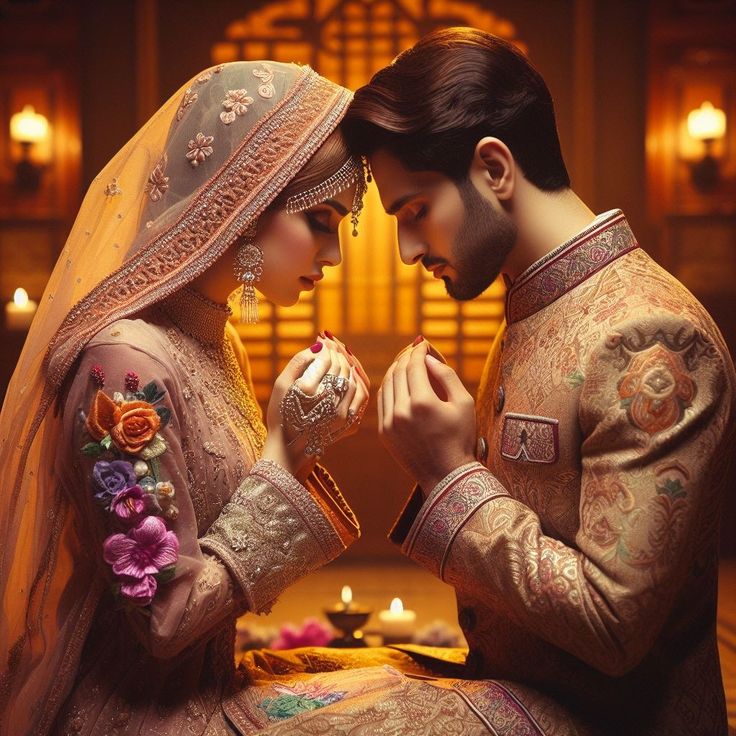


The word “Vashikaran” comes from two Sanskrit roots — “Vashi” (वशी), meaning to attract or draw toward oneself, and “Karan” (करण), meaning the method or practice. In its truest, classical sense, Vashikaran is not about controlling another person. It is about cultivating a quality of inner radiance, emotional harmony, and spiritual magnetism that naturally draws love, warmth, and positive energy into your life.
The Vedic tradition — one of the oldest and most sophisticated systems of spiritual knowledge on earth — contains a rich treasury of mantras specifically designed to cultivate these qualities. These are not spells. They are sacred Sanskrit formulations, drawn from the Atharva Veda, the Rigveda, and classical Jyotish texts, that have been chanted for millennia by seekers of love, harmony, and emotional wellbeing.
In this article, we explore ten of the most revered Vedic mantras associated with love, attraction, emotional healing, and relationship harmony — with their Sanskrit text, meaning, and the spiritual tradition from which they come. These mantras are for personal transformation, inner peace, and spiritual growth. Their power lies in what they cultivate within you — not in any claim to override another person’s free will.
What the Vedic Tradition Says About Love and Attraction
Before we explore the mantras themselves, it is worth understanding what the Vedas actually say about love, attraction, and the nature of human relationships.
In Vedic philosophy, love — Prema (प्रेम) — is considered one of the highest expressions of the divine. The relationship between Radha and Krishna is the archetypal symbol of this: a love so pure, so complete, and so spiritually elevated that it transcends ordinary human experience and becomes a metaphor for the soul’s relationship with the divine.

The Vedic understanding of attraction is rooted in Shakti — divine energy. When a person cultivates inner Shakti through spiritual practice, mantra recitation, ethical living, and emotional clarity, they naturally become more magnetic — not through manipulation, but through genuine inner radiance.
This is the philosophical foundation of every mantra in this article. They are tools for inner cultivation, not external control.
How to Chant Vedic Mantras Correctly
Before sharing the mantras, here are the foundational guidelines for correct Vedic mantra practice:
Sankalpa (Intention Setting) — Before beginning any mantra practice, sit quietly, close your eyes, and set a clear, pure intention. What quality are you seeking to cultivate? Love? Harmony? Emotional healing? State this intention silently before you begin.
Time of Practice — Most Vedic love-related mantras are best recited at Brahma Muhurta (approximately 4–6 AM) or in the evening during the hours of Venus — which are the hours associated with love, beauty, and relationships in Vedic astrology.
Number of Repetitions — Traditional practice recommends reciting mantras in multiples of 108, using a mala (prayer beads) to count. Many practitioners begin with 108 repetitions per day and build over time.
Purity of Space — Sit in a clean, quiet space. Light a ghee lamp or incense if possible. Face east or northeast, which are considered spiritually auspicious directions in Vedic tradition.
Consistency — Mantra practice gains power through consistency. A practice maintained for 40 days (a traditional Vedic cycle) is considered a complete Sadhana.
Top 10 Vedic Mantras for Love, Attraction and Relationship Harmony
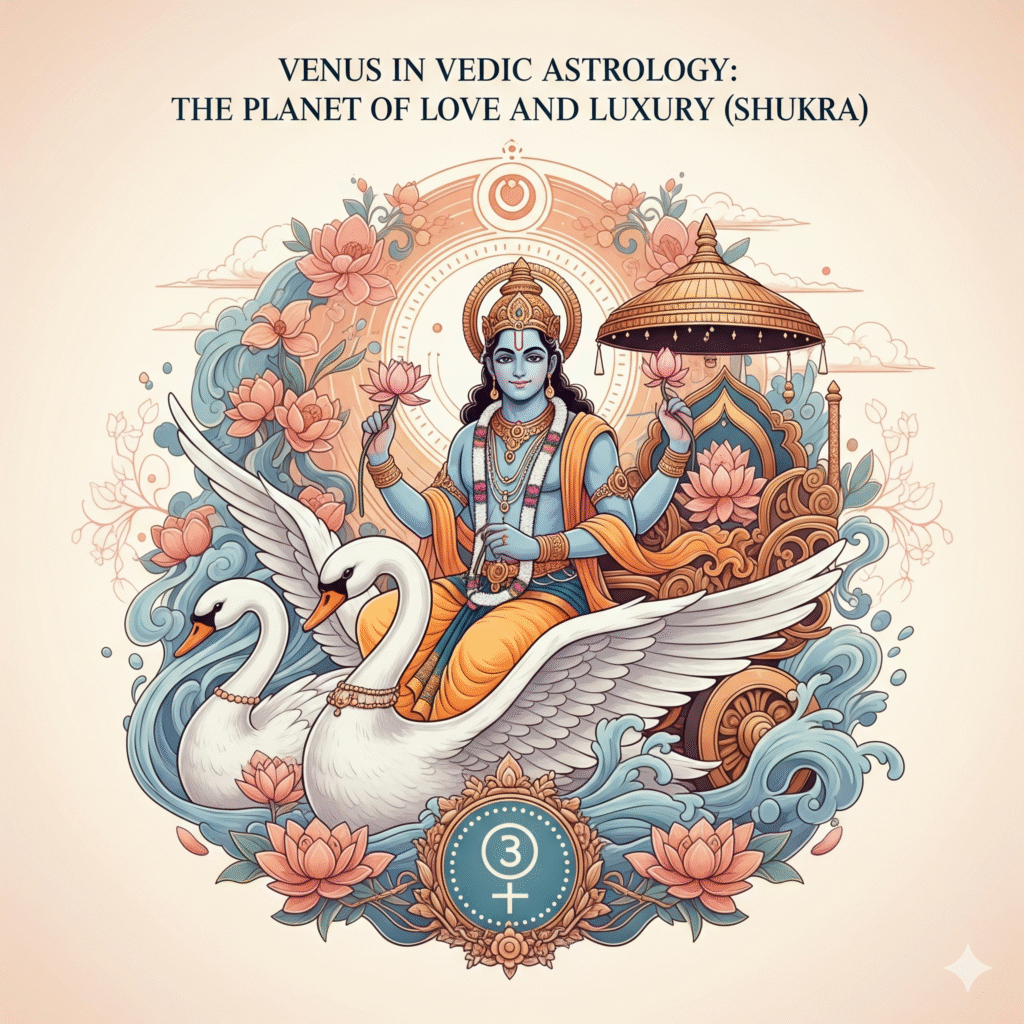
1. Shukra Beej Mantra — The Venus Seed Mantra
Sanskrit:
ॐ शुं शुक्राय नमः Om Shum Shukraya Namah
Meaning: “Om. I bow to the auspicious planet Venus (Shukra), the embodiment of beauty, love, and harmony.”
Tradition: In Vedic astrology, Shukra (Venus) is the Karaka — the significator — of love, relationships, beauty, desire, and emotional fulfilment. This is the foundational mantra for anyone seeking to strengthen the Venus energy in their life and chart. It is recited to invoke the positive qualities of Venus — grace, warmth, emotional intelligence, and the capacity for deep love.
Practice: Recite 108 times on Fridays (Friday is the day of Venus in both Vedic and Western tradition), ideally in the early morning. Offer white flowers — particularly jasmine or white roses — as part of the practice.
2. Kamadeva Mantra — The Mantra of the God of Love
Sanskrit:
ॐ कामदेवाय विद्महे, पुष्पबाणाय धीमहि, तन्नो अनंग प्रचोदयात् Om Kamadevaya Vidmahe, Pushpabanaya Dhimahi, Tanno Ananga Prachodayat
Meaning: “We meditate upon Kamadeva, the god of love, who carries the arrow of flowers. May the formless one illuminate and inspire us.”
Tradition: This is the Gayatri mantra form dedicated to Kamadeva — the Vedic deity of love and desire, equivalent in some ways to Eros or Cupid but rooted in a far more sophisticated philosophical framework. Kamadeva represents the divine impulse of attraction and the creative power of love in the cosmos.
Practice: Recite 108 times daily, ideally in the morning. This mantra is particularly associated with cultivating personal magnetism, warmth, and an open, loving heart.
3. Kleem Mantra — The Attraction Seed Mantra
Sanskrit:
ॐ क्लीं नमः Om Kleem Namah
Meaning: “Om. I invoke the divine energy of attraction and magnetic love.”
Tradition: “Kleem” (क्लीं) is one of the most revered Beej (seed) mantras in the Vedic tradition. It is the Bija mantra of Kamadeva and is associated with the principle of attraction in its most universal sense — the force that draws compatible energies together. In the classical texts, Kleem is described as the sound vibration that represents the attractive power of the divine.
Practice: This simple mantra can be recited throughout the day — 108 times in formal practice, or silently during daily activities as a form of moving meditation.

4. Shukra Gayatri Mantra — The Venus Gayatri
Sanskrit:
ॐ भृगुपुत्राय विद्महे, श्वेतवाहनाय धीमहि, तन्नो शुक्रः प्रचोदयात् Om Bhrigupustraya Vidmahe, Shvetavanaya Dhimahi, Tanno Shukrah Prachodayat
Meaning: “We meditate upon the son of Bhrigu (Venus), who rides a white vehicle. May Venus illuminate and inspire us.”
Tradition: The Gayatri form is the most revered mantra structure in the entire Vedic canon. This Gayatri is dedicated specifically to Shukra (Venus) and is recited to strengthen Venus’s positive influence in one’s birth chart and daily life — cultivating the qualities of love, harmony, aesthetic appreciation, and emotional depth.
Practice: Recite 108 times on Friday mornings. Particularly recommended for those whose birth chart shows a weakened or afflicted Venus, as identified through a Vedic astrology consultation.
5. Atharva Veda Love Mantra — For Harmony in Relationships
Sanskrit:
या ते राजन् वरुण प्रिया तनूः सुपेशसः या शुभ्रा या च मेध्या, तया मामिह पाहि Yaa Te Raajan Varuna Priya Tanuh Supeshasah Yaa Shubhra Yaa Cha Medhyaa, Tayaa Maamih Paahi
Meaning: “O King Varuna, with that beloved, beautiful, pure and auspicious form of yours — protect me here.”
Tradition: This mantra is drawn from the Atharva Veda — the fourth Veda, which contains a significant body of mantras related to human wellbeing, love, healing, and protection. Varuna is one of the oldest Vedic deities, associated with cosmic order, emotional truth, and the deep waters of the heart. Invoking Varuna in the context of relationships calls on the principle of cosmic harmony and emotional authenticity.
Practice: Recite 108 times in the evening, facing west (the direction of Varuna). This mantra is particularly suited to those seeking harmony and emotional honesty within an existing relationship.
6. Mohana Mantra — For Positive Attraction
Sanskrit:
ॐ नमो भगवते कामदेवाय यस्य यस्य दृश्यो भवामि यश्च यश्च मां पश्यति तं तं मोहयतु स्वाहा Om Namo Bhagavate Kamadevaya Yasya Yasya Drishyo Bhavami Yascha Yascha Mam Pashyati Tam Tam Mohayatu Swaha
Meaning: “Om. I bow to the divine Kamadeva. May all those who see me and upon whom I look be filled with a sense of positive wonder and warmth. Swaha.”
Tradition: The Mohana mantra is one of the classical mantras from the Tantra and Vedic traditions associated with personal radiance and positive attraction. “Mohana” means that which enchants or captivates — not through manipulation, but through genuine inner beauty and spiritual luminosity. This mantra is a prayer for the cultivation of that quality.
Practice: Recite 108 times daily in the morning, ideally while facing a mirror as a form of affirmation and self-cultivation.
7. Rati Mantra — For Emotional Healing and Love
Sanskrit:
ॐ रतिप्रियायै नमः Om Ratipriyayai Namah
Meaning: “Om. I bow to Rati, the beloved consort of Kamadeva, the goddess of love, passion, and emotional fulfilment.”
Tradition: Rati is the Vedic goddess of love, emotion, and passion — the consort of Kamadeva. In Vedic tradition, she represents the emotional dimension of love: the depth of feeling, the capacity for devotion, and the healing power of genuine connection. This mantra invokes her energy for emotional healing, particularly after a period of heartbreak or loss.
Practice: Recite 108 times on Fridays or on the eighth lunar day (Ashtami). This mantra is particularly suited to those going through emotional pain or seeking to reopen their heart after a difficult period.
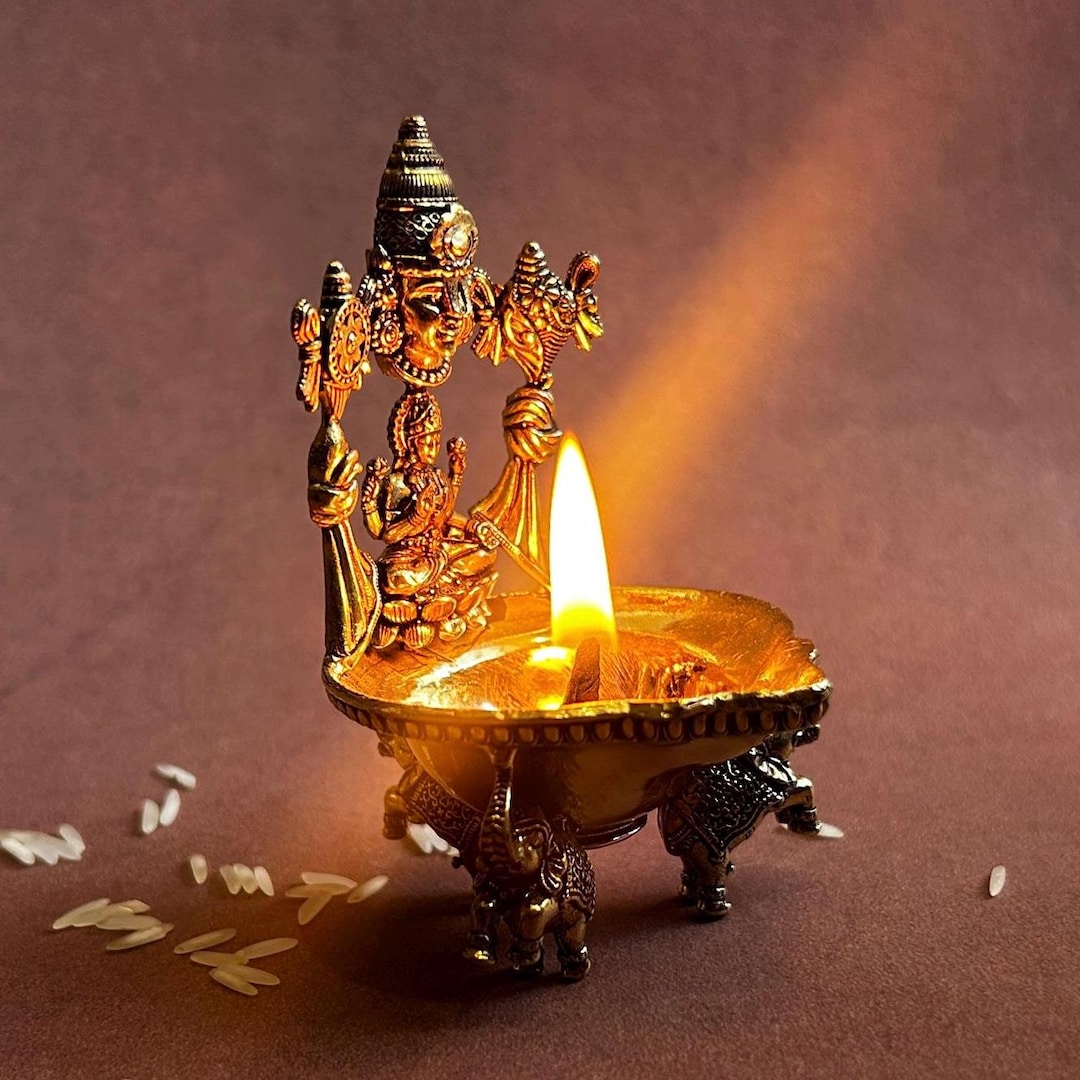
8. Radha Krishna Mantra — For Devotional Love
Sanskrit:
ॐ राधाकृष्णाभ्यां नमः Om Radhakrishnabhyam Namah
Meaning: “Om. I bow to the divine pair — Radha and Krishna — the eternal embodiment of sacred love.”
Tradition: The love of Radha and Krishna is the supreme metaphor for sacred love in the Hindu tradition — a love that is total, unconditional, and spiritually transformative. This mantra invokes the energy of that divine relationship as a model and an aspiration for one’s own love life. It is not a mantra of possession but of elevation — an aspiration to love with the purity and completeness that Radha and Krishna represent.
Practice: Recite 108 times daily, particularly on Ekadashi (the eleventh lunar day) and on Wednesdays, which are associated with Krishna in the Vedic calendar.
9. Manmatha Mantra — For Rekindling Desire and Warmth
Sanskrit:
ॐ नमः कामाक्षी देव्यै सर्वजन मनोहरिणी मम प्रिय आकर्षय आकर्षय स्वाहा Om Namah Kamakshi Devyai Sarvajanam Manoharini Mama Priya Akarshaya Akarshaya Swaha
Meaning: “Om. I bow to the goddess Kamakshi, she who captivates the hearts of all. May love and warmth be drawn toward me. Swaha.”
Tradition: Kamakshi is one of the most revered forms of the Divine Mother in the South Indian tradition — worshipped especially in Kanchipuram, Tamil Nadu. Her name means “she whose eyes are filled with love.” This mantra invokes her energy as the universal principle of divine love and attraction.
Practice: Recite 108 times on Fridays. Offer kumkum (red powder) and jasmine flowers as part of the practice. This mantra is particularly revered in the South Indian Shakta tradition.
10. Shiva-Parvati Mantra — For Long-Term Love and Partnership
Sanskrit:
ॐ उमापतये नमः ॐ गौरीशाय नमः Om Umapataye Namah Om Gaurishaya Namah
Meaning: “Om. I bow to Shiva, the beloved of Uma. Om. I bow to Shiva, the consort of Gauri.”
Tradition: The union of Shiva and Parvati (also known as Uma and Gauri) is the Vedic archetype of the perfect partnership — a relationship built on mutual respect, deep devotion, complementary qualities, and unwavering commitment. Parvati’s legendary devotion and tapas (spiritual austerity) through which she won Shiva’s heart is one of the most beloved stories in the entire Puranic tradition. This mantra invokes the energy of that sacred partnership.
Practice: Recite 108 times on Mondays (the day of Shiva) and Fridays (the day of the Goddess). This mantra is particularly suited for those seeking long-term partnership and committed love, rather than temporary attraction.
Important Guidance for Mantra Practice

Before concluding, a few important points for anyone beginning a Vedic mantra practice:
These mantras are tools for inner transformation. Their primary purpose is to cultivate specific qualities within yourself — love, warmth, emotional openness, spiritual magnetism. The Vedic tradition consistently teaches that like attracts like: when you become more loving, more harmonious, and more emotionally clear, your outer circumstances begin to reflect that inner state.
Pronunciation matters. Sanskrit is a phonetically precise language, and correct pronunciation enhances the resonance of any mantra. If possible, learn the correct pronunciation from a qualified teacher, a reliable audio resource, or a Sanskrit pronunciation guide before beginning your practice.
Combine mantra with action. Vedic wisdom has always taught that mantra is most powerful when combined with right action — treating yourself and others with kindness, honesty, and respect. No mantra can substitute for genuine emotional integrity in relationships.
Consult a Jyotish astrologer for personalization. The most effective mantra practice is one tailored to your specific birth chart. A qualified Vedic astrologer can identify which planet most needs strengthening in your chart and recommend the appropriate mantra, number of repetitions, and supporting practices.
Find Your Personalized Mantra Guidance Through Free Astrology Chat
The mantras above are a starting point. For truly personalized guidance — understanding which of these mantras is most aligned with your specific Vedic birth chart, which planetary energies most need cultivation, and how to structure your practice for maximum spiritual benefit — a consultation with a qualified Jyotish astrologer is invaluable.
Several trusted platforms offer free introductory consultations where you can discuss your birth chart and receive personalized mantra recommendations:
- AstroTalk — India’s largest verified astrology platform, with Jyotish specialists available in multiple languages 🔗 https://astrotalk.com
- Astroyogi — Trusted since 2001, strong in Vedic astrology and mantra guidance 🔗 https://www.astroyogi.com
- Vama — Certified Jyotish practitioners specializing in birth chart analysis and Vedic remedies 🔗 https://vama.app
- Ganeshaspeaks — Free question submission for personalized astrological guidance 🔗 https://www.ganeshaspeaks.com
Final Thoughts
The Vedic tradition offers one of the world’s most sophisticated and compassionate frameworks for understanding love — not as something to be captured or controlled, but as a quality to be cultivated, a divine energy to be invited, and a spiritual practice to be undertaken with sincerity and patience.
The ten mantras in this article represent some of the finest expressions of that tradition. Chanted with genuine intention, practiced with consistency, and combined with honest inner work — they are a profound tool for opening the heart, cultivating inner radiance, and aligning yourself with the cosmic energy of love.
The stars, the planets, and the ancient sages have always known what the modern world is slowly rediscovering: that the greatest force in the universe is love — and that it begins within.
Keywords: Vashikaran mantra for love, Vedic love mantras Sanskrit, Shukra mantra for love, Kamadeva mantra, Kleem mantra attraction, mantra to get love back, powerful love mantra Sanskrit, Vedic astrology mantra for relationship